Fostering Deep Learning of Complex Biology for Building Our Next Generation’s Scientists
Funded by The National Science Foundations DRK-12 Program
Preparing future generations of scientists is crucial if the United States is to remain competitive in a technology-focused economy. In BioSphere, research teams from the University of Wisconsin-Madison, University of North Carolina at Chapel Hill, and Auburn University join forces to develop, iteratively refine and evaluate an innovative learning environment, BioSphere, that combines the strengths of hands-on design and engineering, as well as simulations and visualizations of knowledge structures, to foster learning of complex science issues, especially among underserved populations. Our objectives are t foster a cohesive understanding of science content, integrate science and engineering practice, implement units in rural and underserved areas, involve Parents and the community, understand variations in implementations across different contexts
BioSphere Units
Each BioSphere unit presents a complex science issue in the form of a design challenge that students solve by conducting experiments, using visualizations in an eTextbook, and connecting with the community. The units, aligned with the Next Generation Science Standards (NGSS), provide greater coherence, continuity, and sustained instruction focused on uncovering and integrating key ideas over long periods of time.
Grow Healthy Plants
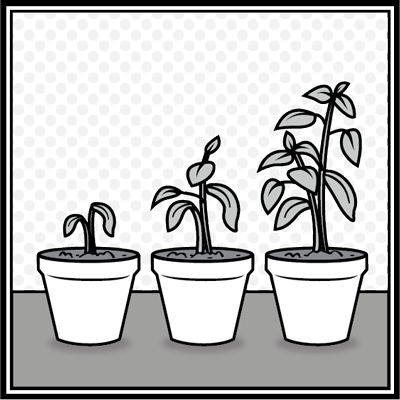
The natural resources that we rely on are limited and decreasing, but the need for growing more food is increasing. To address this issue, students’ challenge is to design optimal growing conditions and habitats for Fast Plants, a variety of Brassica Rapa (the crucifer family of plants) developed at the University of Wisconsin, in a given environment that will result in maximum seed production.
Make Your Own Compost
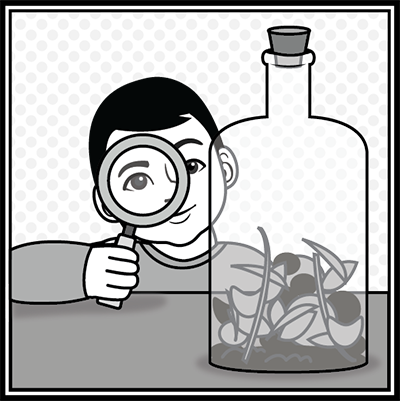
Students work in groups to investigate the science of compost as an ecosystem and generate questions about the various factors that affect the production of compost. With the information they gather from researching in an eTextbook, students design experiments, manipulate variables, and observe and measure outcomes to test their hypotheses about how factors affect their composting in their soda bottle bioreactors.